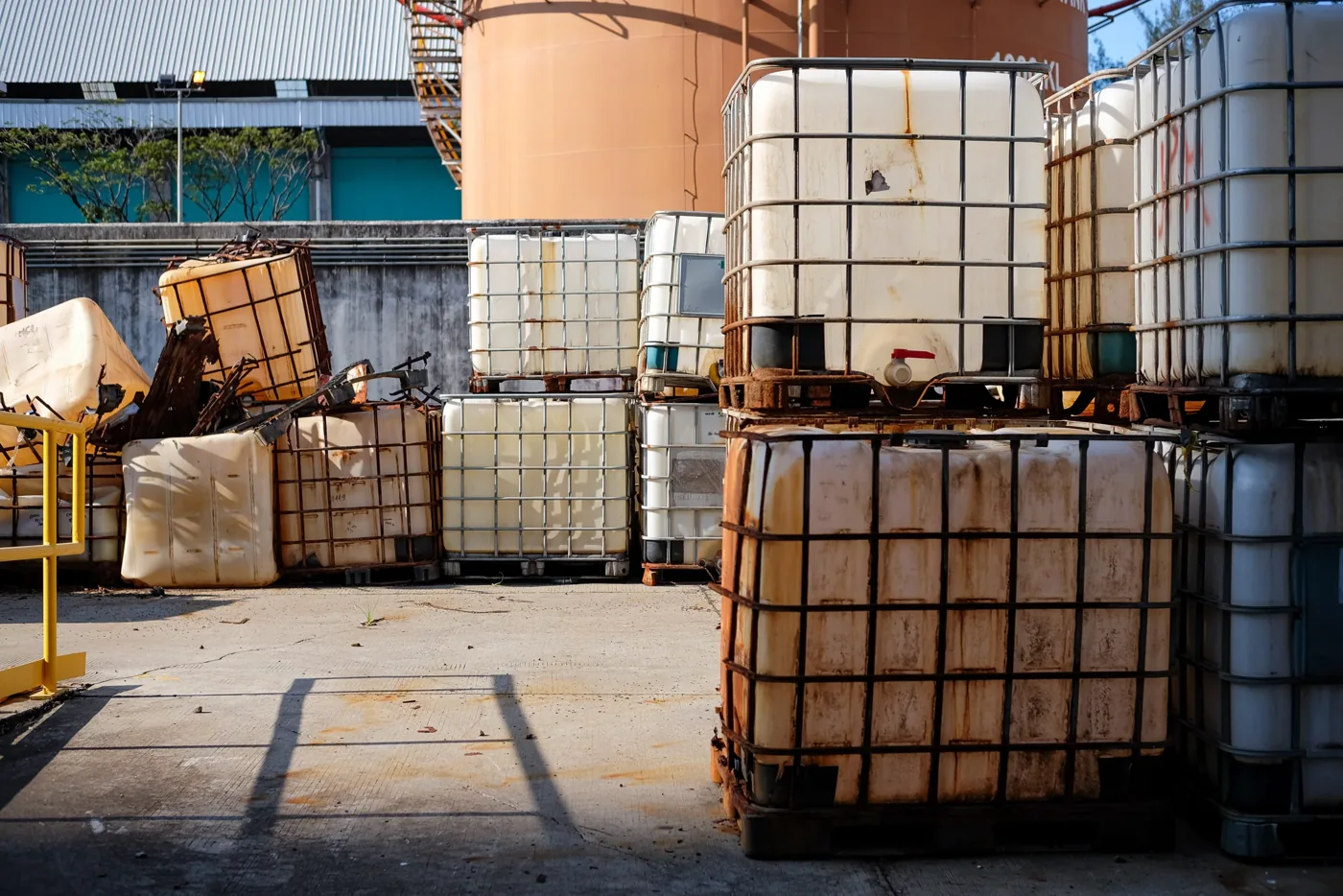
Chemical residue does not always prevent an IBC from being recycled. Previous contents, remaining quantities and physical condition determine which recovery or treatment options may be appropriate.
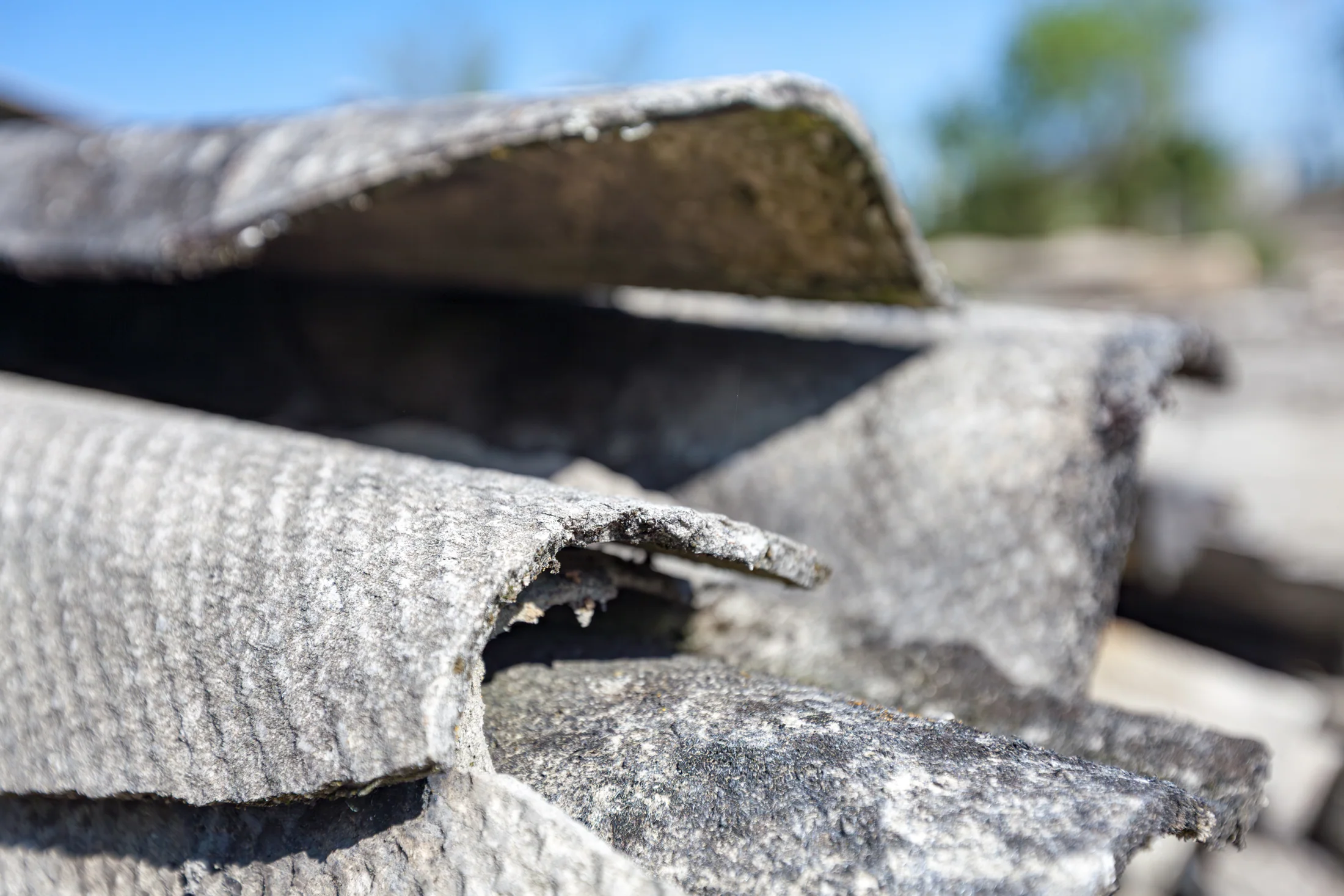
Already removed asbestos cement sheets, insulation waste and contaminated debris may need different collection preparation. Understand what material condition, containment and receiving-site acceptance change.
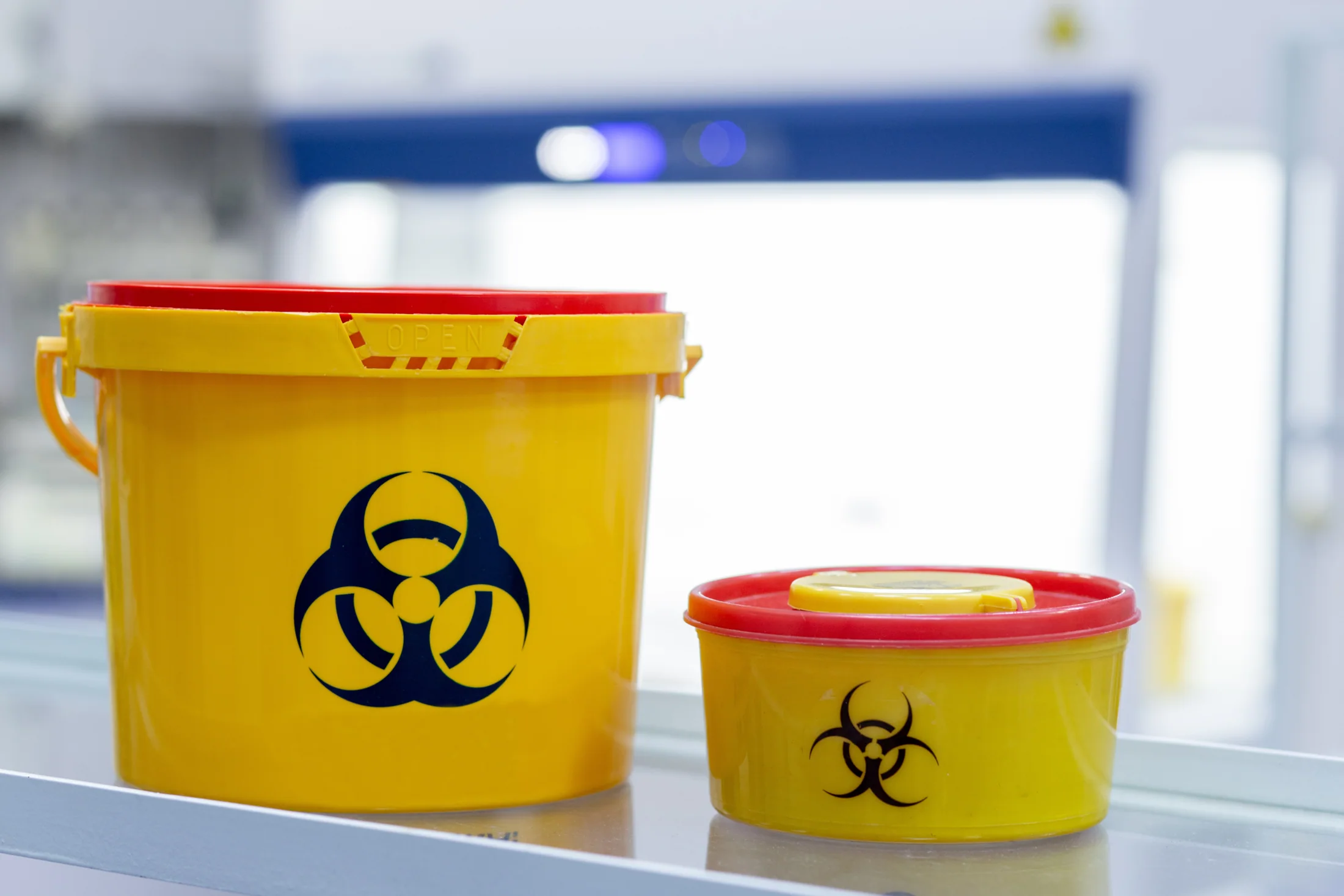
Orange clinical waste bags are not interchangeable with yellow infectious waste bags or offensive waste containers. Learn how infection risk, chemical contamination and collection requirements determine the appropriate stream.
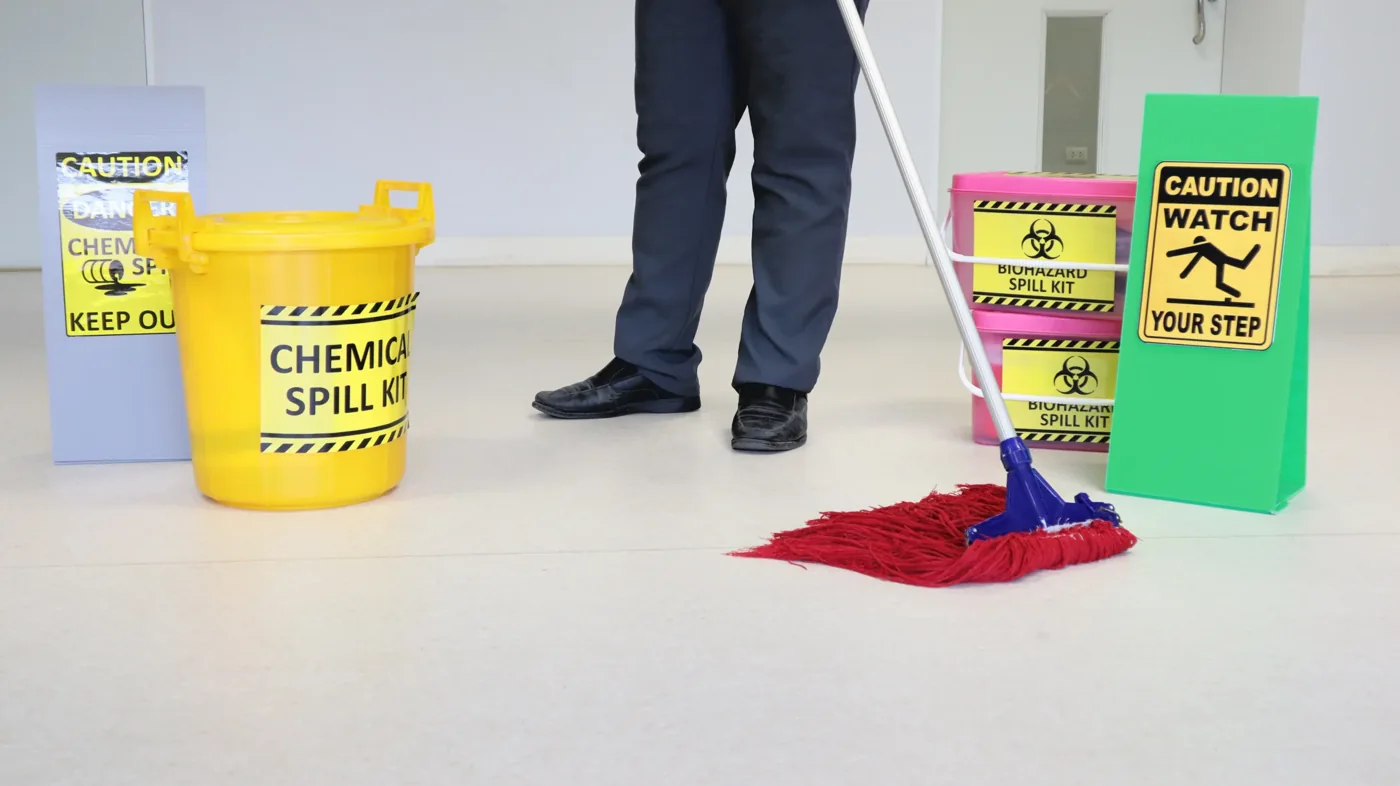
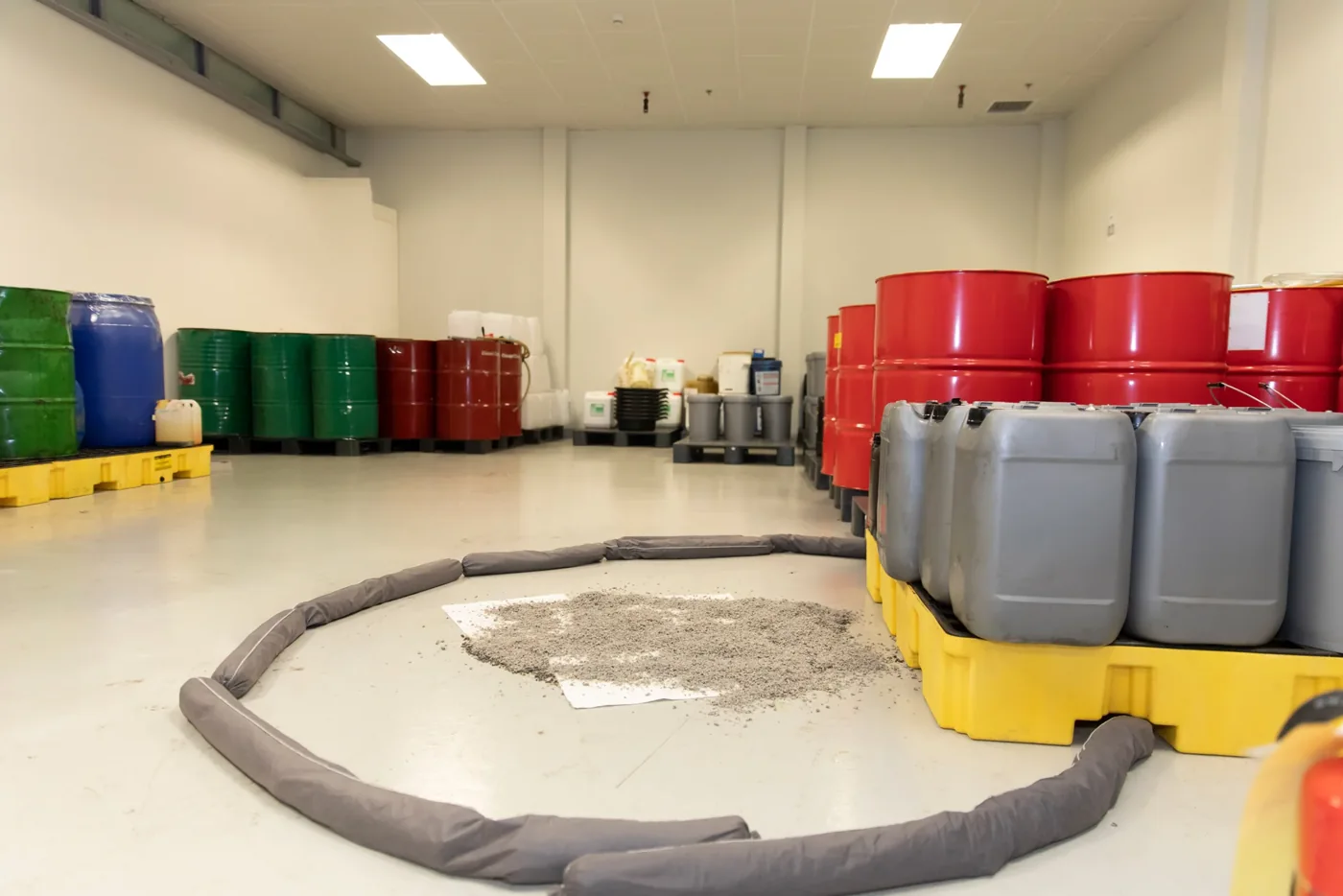
A contained chemical spill can leave liquid waste, used absorbents and contaminated debris. Learn how to describe and separate these materials before removal.
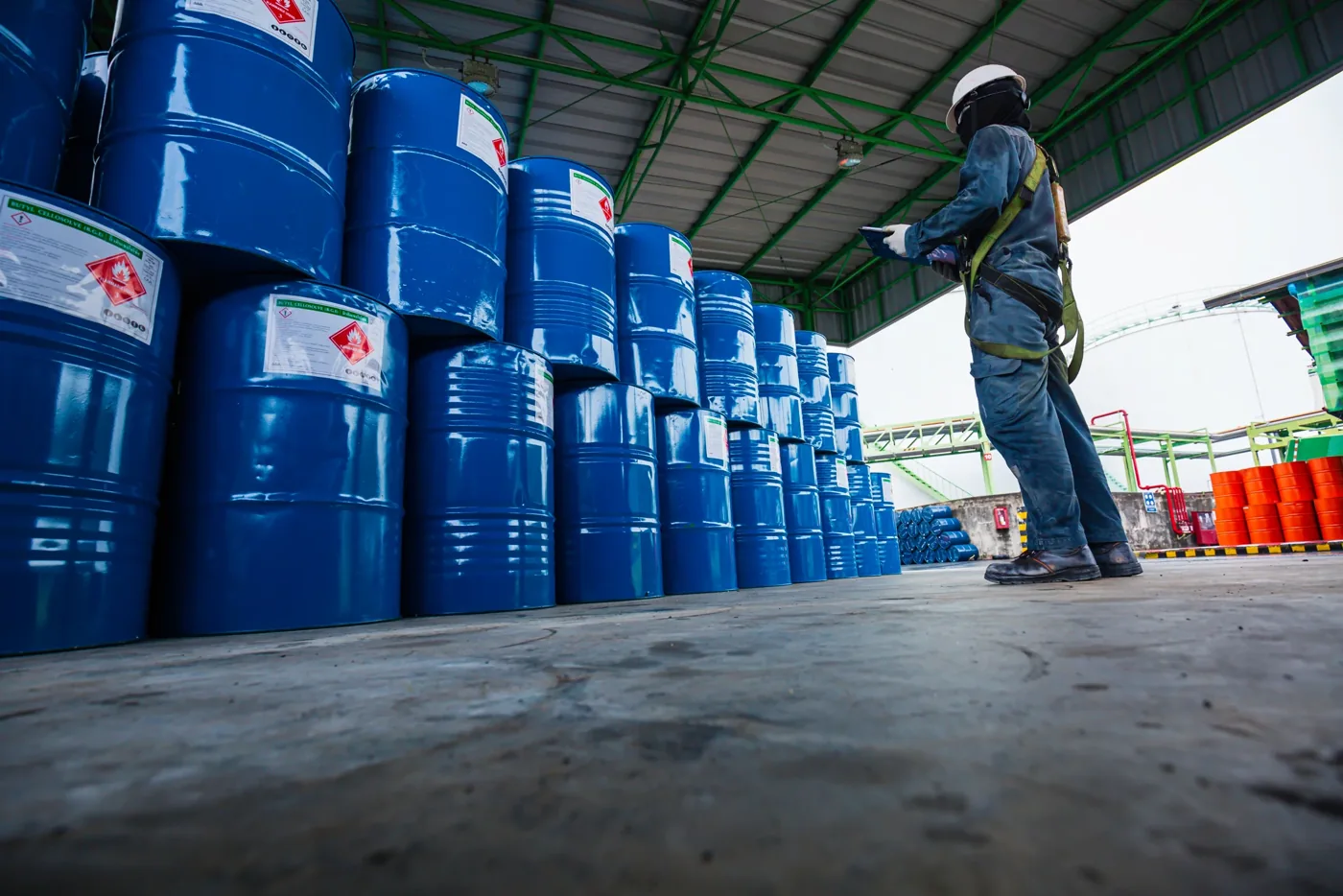
A rejected hazardous waste load creates specific responsibilities for the consignee, carrier and producer. Understand how the rejection is recorded and where the load can lawfully go next.
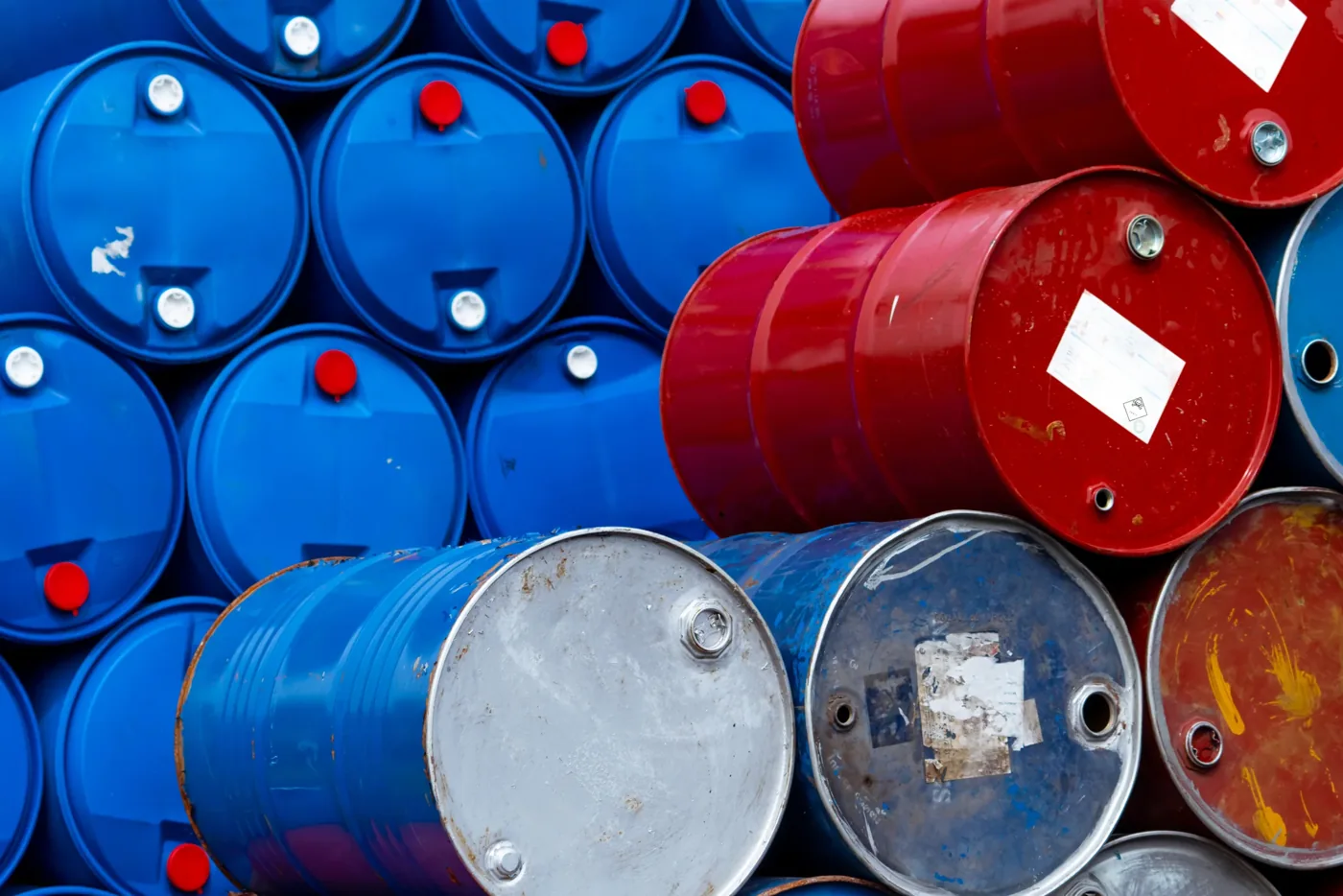
A partly empty chemical drum can contain both waste liquid and contaminated packaging. Understand why the residue, drum condition and collection access all matter.
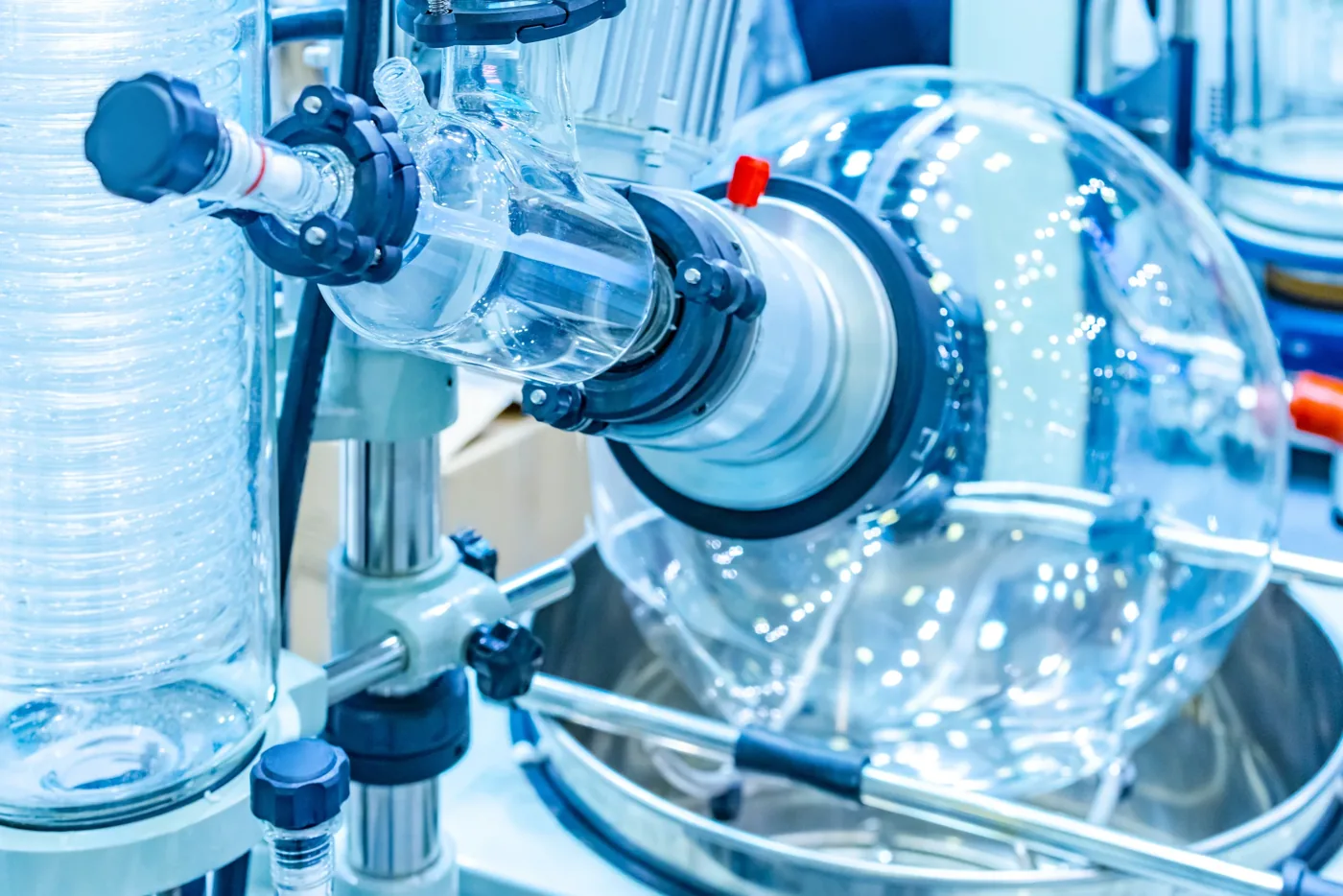
Water and cleaning residues do not always prevent spent solvent recovery. Find out which details about the actual waste mixture determine whether recovery remains an option.
Factory closure does not automatically turn every unused chemical into waste. The holder's intentions, product condition and realistic opportunities for reuse determine what needs disposal assessment.
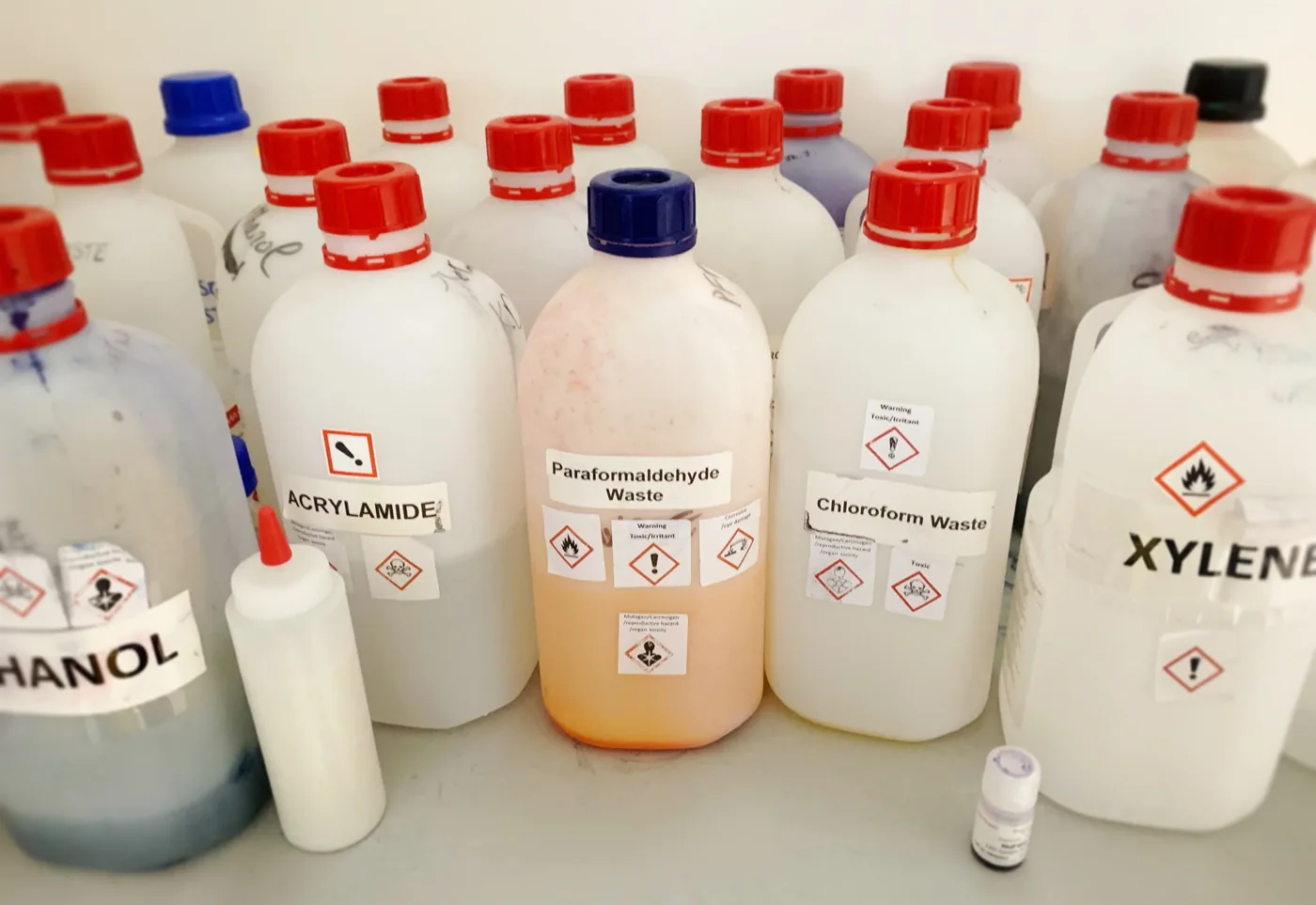
Unknown laboratory bottles require an evidence-based assessment before disposal. Find out how records, labels, storage history and technical identification help establish the correct waste description.