Yes, different chemical wastes can sometimes be collected during the same visit, provided each waste remains appropriately segregated, identified and documented. Collecting separate containers together is not the same as mixing their contents.
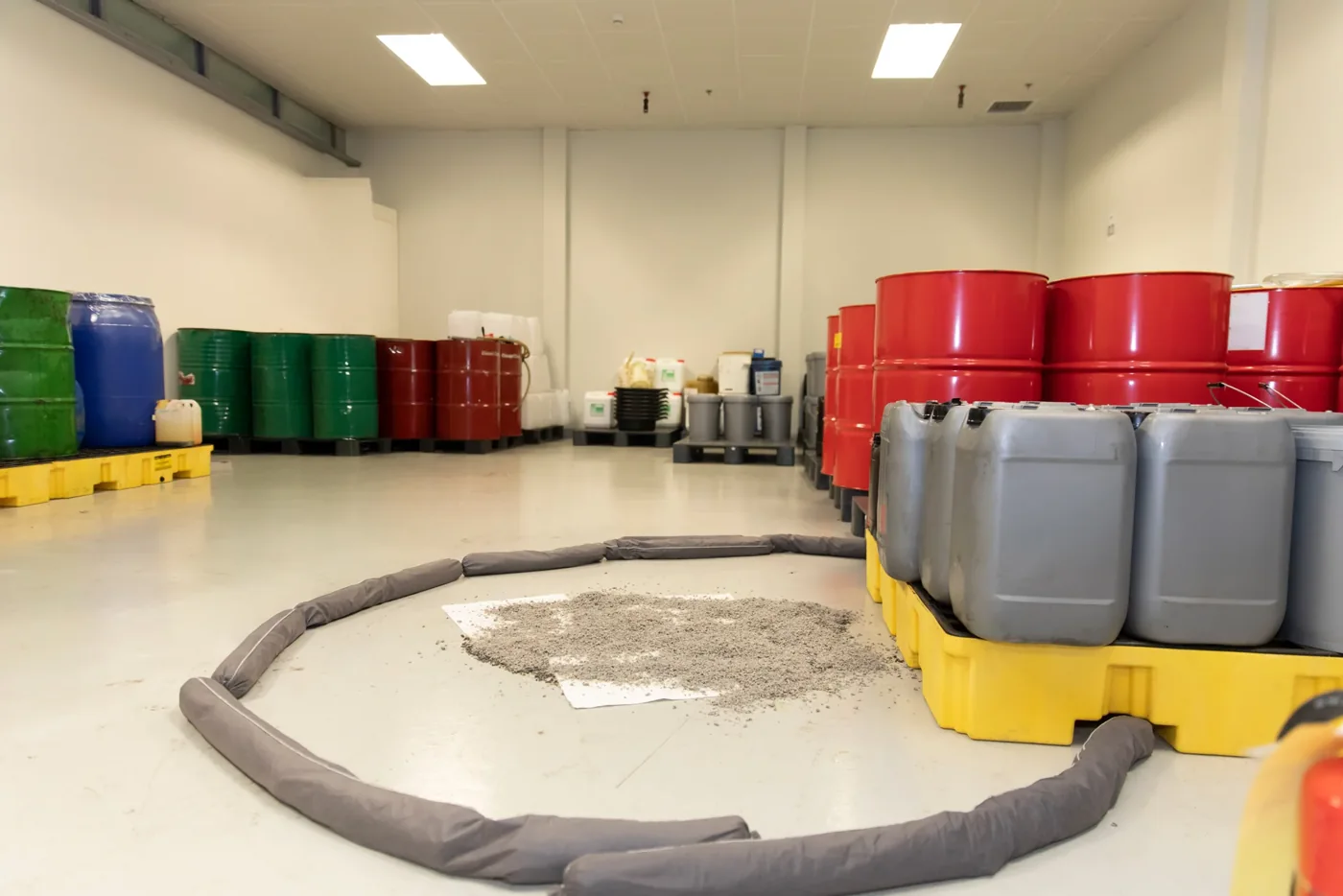
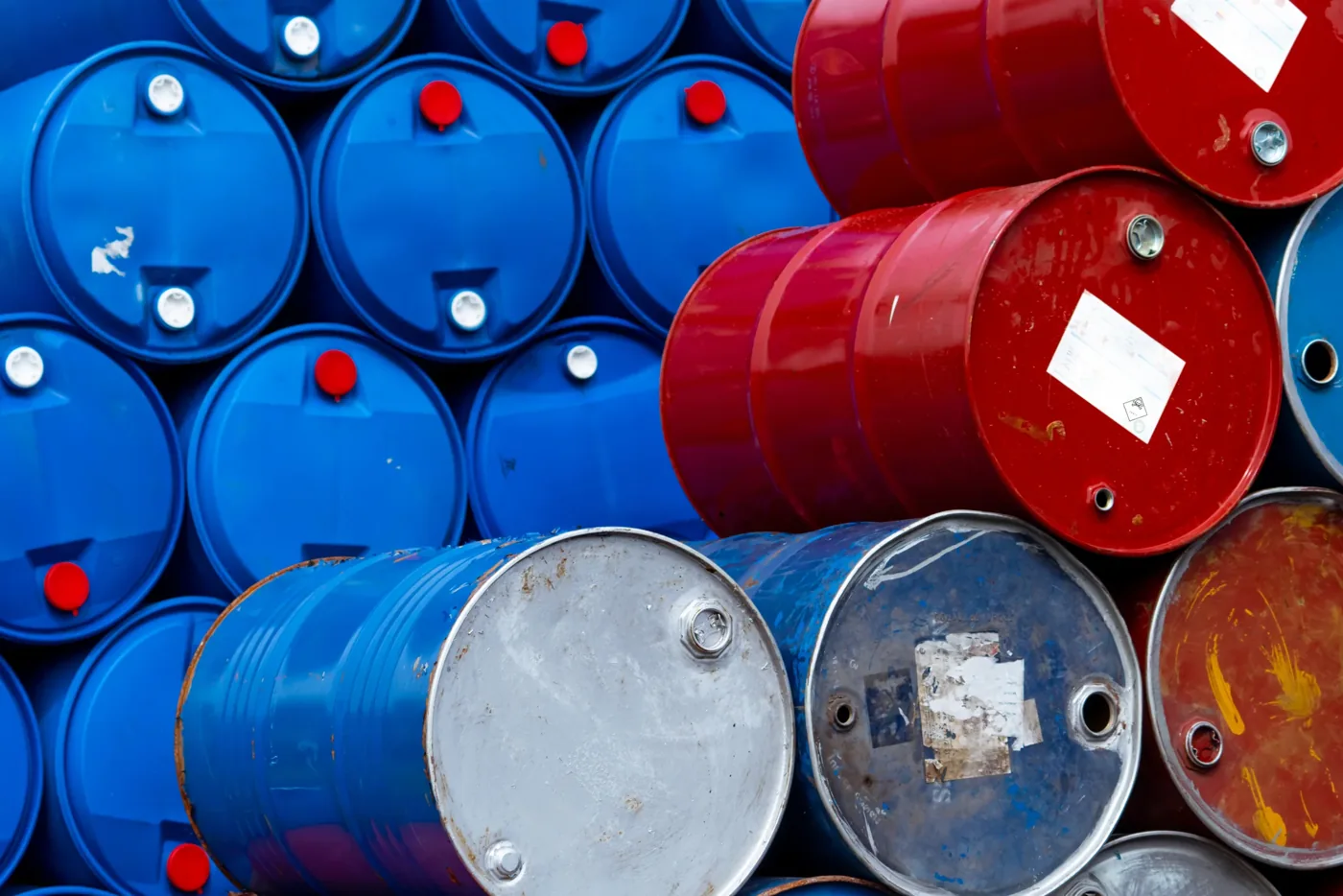
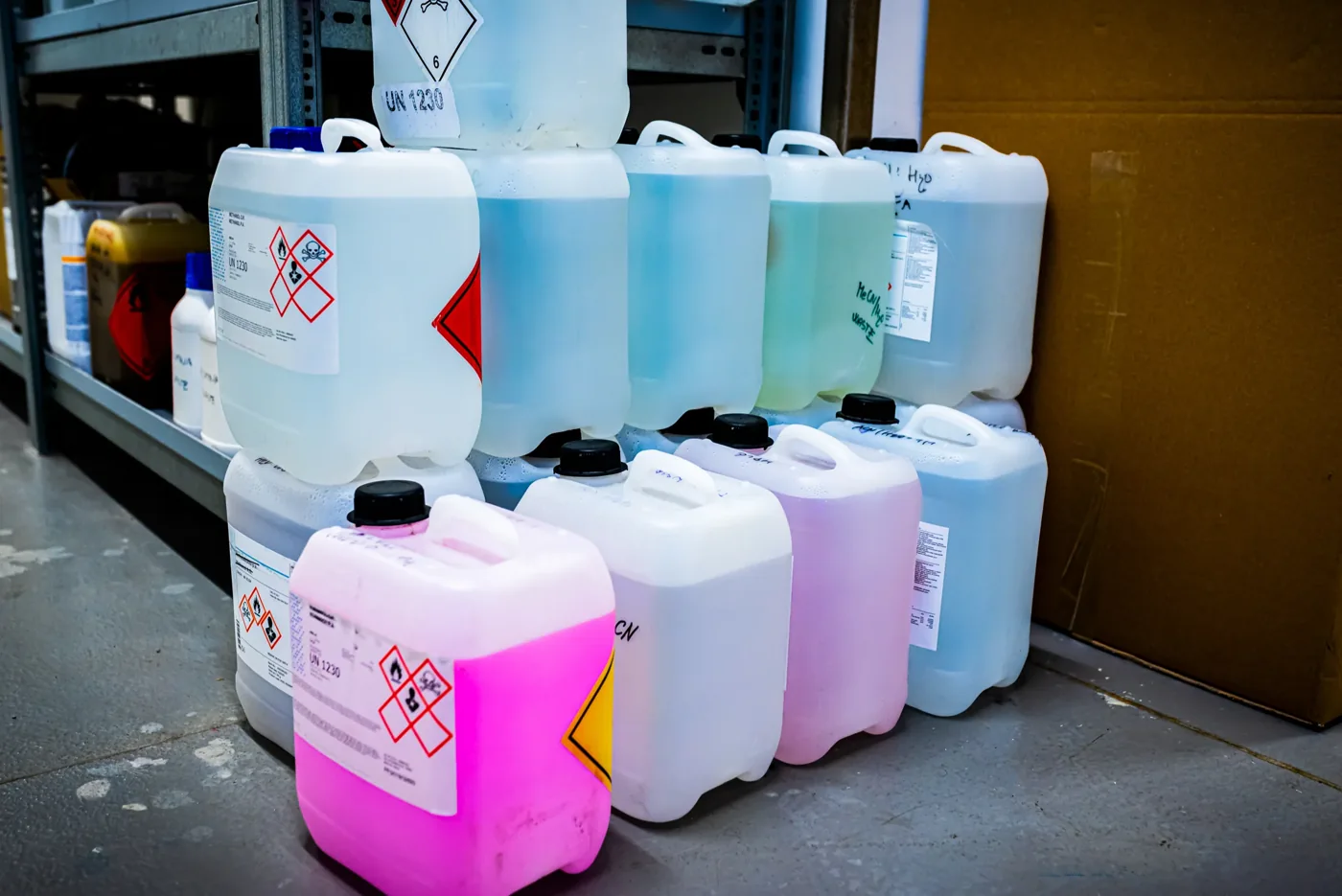
A factory, laboratory or maintenance depot may have several types of chemical waste awaiting removal. These could include spent solvents, acids, alkaline cleaning solutions, contaminated absorbents and waste oils. Whether they can travel together depends on their individual properties, packaging and transport arrangements.
Co-collection is not the same as mixing
The important distinction is between sharing a collection operation and combining materials into a single waste mixture.
Under the Environment Agency’s hazardous waste segregation and mixing guidance, discrete items of waste may be co-collected when they remain physically separate, cross-contamination is prevented and each waste is individually described and quantified.
For example, a collection could potentially involve separate drums containing different identified waste streams. That does not mean the contents may be poured together or treated as one undifferentiated load.
Mixing hazardous wastes of different categories is generally prohibited unless specifically authorised under the relevant environmental permit and associated conditions.
Keeping waste separate also preserves information about each material. Combining liquids can introduce chemical incompatibilities, obscure hazardous components or affect which recovery or treatment methods remain available.
What determines whether streams can travel together?
A shared visit is possible only when the individual wastes can be handled and transported under suitable arrangements.
The main considerations include:
- Chemical identity: The contents and relevant hazardous characteristics of each waste must be understood.
- Container integrity: Packaging must be suitable for its contents and condition, with leaks or damage identified beforehand.
- Compatibility: Storage and transport arrangements must prevent hazardous interaction or cross-contamination.
- Waste classification: Each stream needs its appropriate description and classification, even when collected alongside other materials.
- Transport requirements: Dangerous goods provisions may impose additional packaging, segregation or vehicle requirements depending on the substances involved.
- Receiving facilities: The intended destinations must be authorised to accept the relevant waste types.
These considerations can result in different collection arrangements for materials stored at the same premises. Some containers may travel together while others require separate handling or another vehicle movement.
A single booking should therefore not be interpreted as automatic approval for every container to share the same transport configuration.
Prepare a separate description for each waste
A site manager can make a multi-stream clearance easier to assess by creating a straightforward inventory before the visit.
For each waste, record its source, likely contents, approximate quantity, packaging type and any known problems with the container.
It helps to distinguish unused product from spent process material. A labelled drum of fresh solvent and a drum of solvent used to remove industrial coatings may not have the same composition, despite sharing an original product name.
Where a container has lost its label or its contents are uncertain, record that uncertainty rather than assigning an unsupported identity.
The waste documentation must remain consistent with what is actually being transferred. For hazardous waste in England, the hazardous waste consignment note is an important part of that record.
Planning one visit for several waste areas
Large sites often accumulate waste in different buildings, workshops or storage compounds. Identify these locations on the inventory so that access and handling requirements are understood.
A practical site list might distinguish drum storage in production, small containers in a laboratory and maintenance residues in a separate compound. Each location may involve different packaging or movement constraints.
Where several streams are ready for removal, hazardous waste collection arrangements can be considered against the full inventory rather than assuming that all materials are interchangeable.
The useful outcome is a collection plan that recognises every waste stream individually. One visit may address several requirements, but accurate identification and physical separation remain essential throughout the movement.