

Construction and refurbishment can produce chemical waste from coatings, resins, fuels, cleaning products, aerosols and site compounds, as well as contaminated material uncovered during the work. Known products, process residues and unexpected material each need to be identified before they are moved.
Chemical Waste Disposal for Construction
Chemical waste disposal for construction, refurbishment and enabling works.
HomeChemical Waste Disposal for ConstructionChemical Waste Disposal for Construction enquiry
Changing site conditions
Access, storage and the waste itself can change as a project progresses.
Unexpected materials
Buried containers, contaminated soil and old chemical stock need assessment and classification appropriate to the material.
Construction waste classification
Paints, adhesives, contaminated soil and asbestos need the waste classification appropriate to the material.
Chemical waste during construction
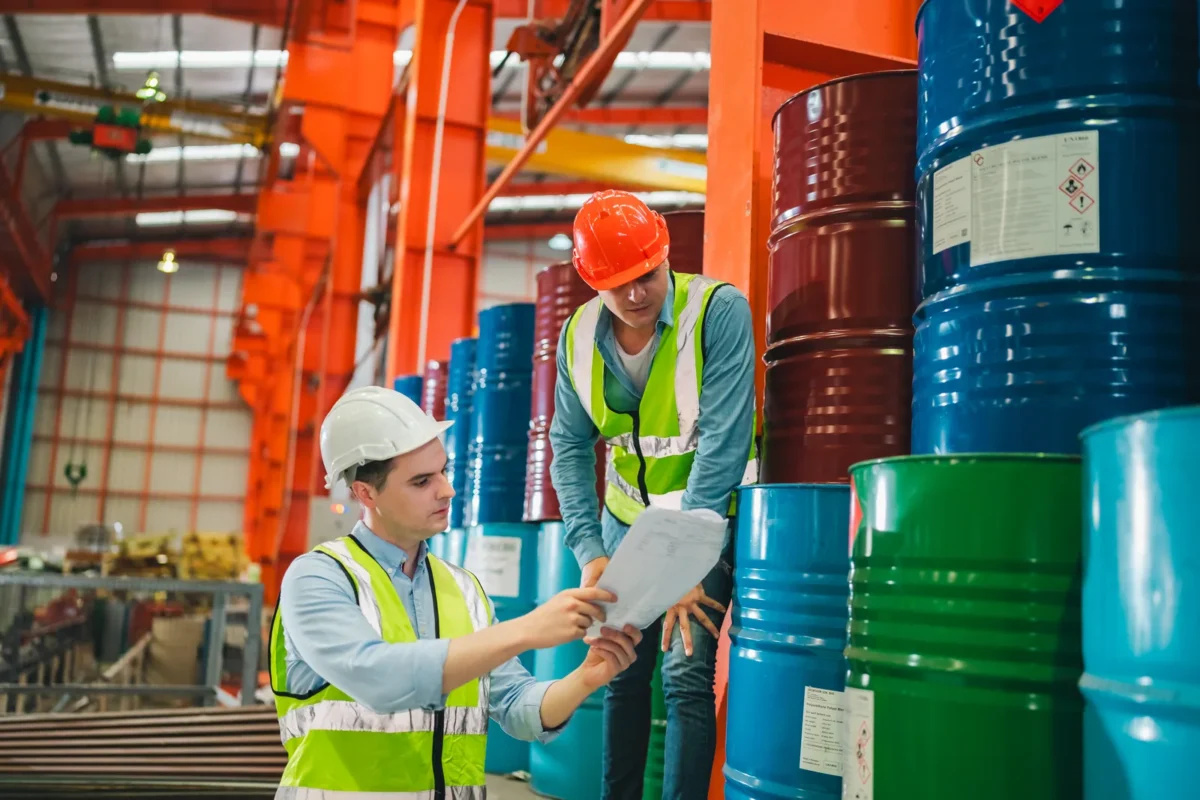
Part-used products, damaged containers and residues left by earlier occupiers can all appear on a project. They should remain identifiable and separated where necessary. Unknown drums and chemical residues should not be placed with general construction waste before their contents and hazards are understood.
Contaminated ground and unexpected finds
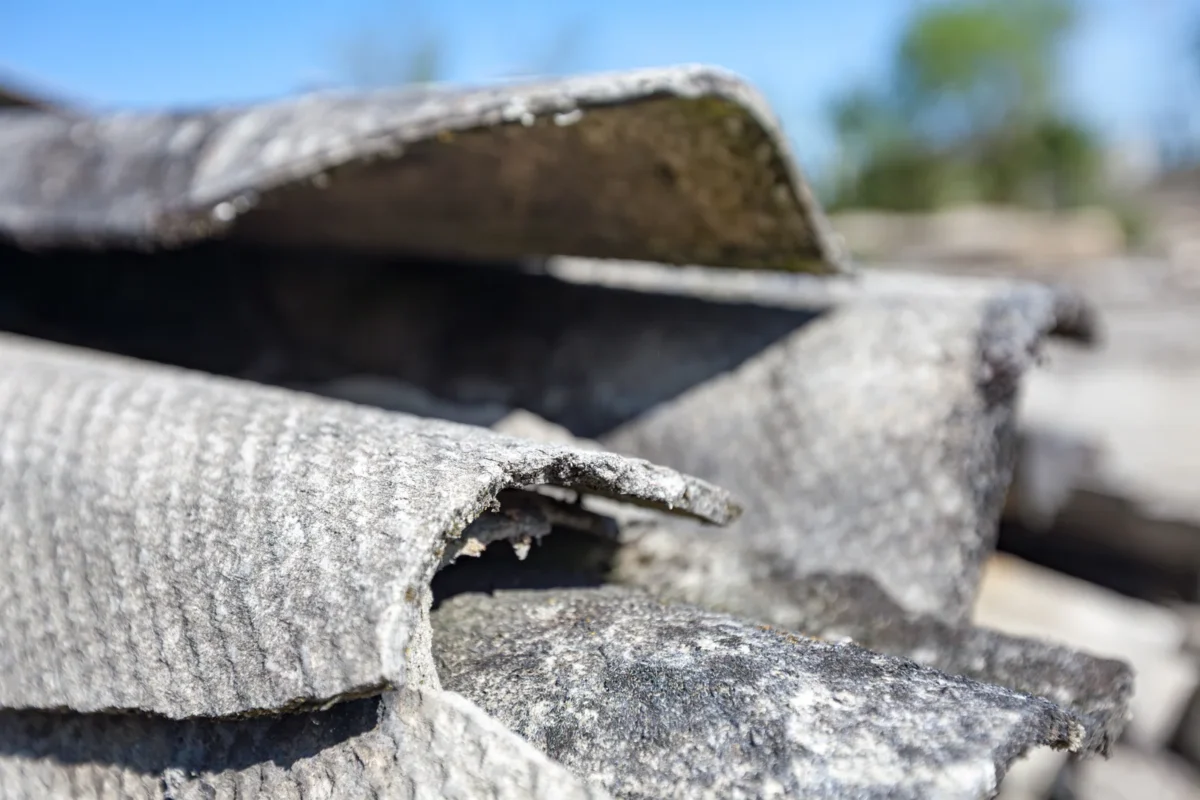
Excavation may expose stained soil, buried containers or suspected asbestos that was not part of the planned waste. Those findings need to be considered on their own evidence. The fact that material came from a construction site does not make it ordinary inert or mixed construction waste.
Contact us about construction chemical waste
Complete the form and we will get back to you.
Classifying construction chemical waste
Construction and demolition waste must be classified before it is collected, disposed of or recovered. The linked GOV.UK construction and demolition waste classification guidance gives waste-code information for materials including paints, adhesives, contaminated soil and asbestos in England. Chemical products and residues still need to be described from the material actually present and sent to a suitable receiving facility.
Waste removal during a changing project
Construction sites change quickly, so storage and access can alter between identification and collection. Waste should remain contained and distinguishable from materials still in use. If the condition or contents change, the affected waste should be reassessed before movement.
Chemical Waste Disposal for Construction: common questions
Do you collect chemical waste from construction sites?
Yes. Suitable chemical waste can be collected from construction and refurbishment projects once the material and handling needs are established.
Can old drums found during excavation be put in a mixed skip?
Not if the contents or contamination are uncertain. They need separate identification and appropriate containment.
Is contaminated soil automatically hazardous waste?
No. Classification depends on representative evidence from the soil and its contaminants.
Does the construction waste guidance include paints and adhesives?
Yes. The England guidance includes waste-code information for paints, adhesives and other construction materials, but the actual waste still needs to be described from its source and composition.