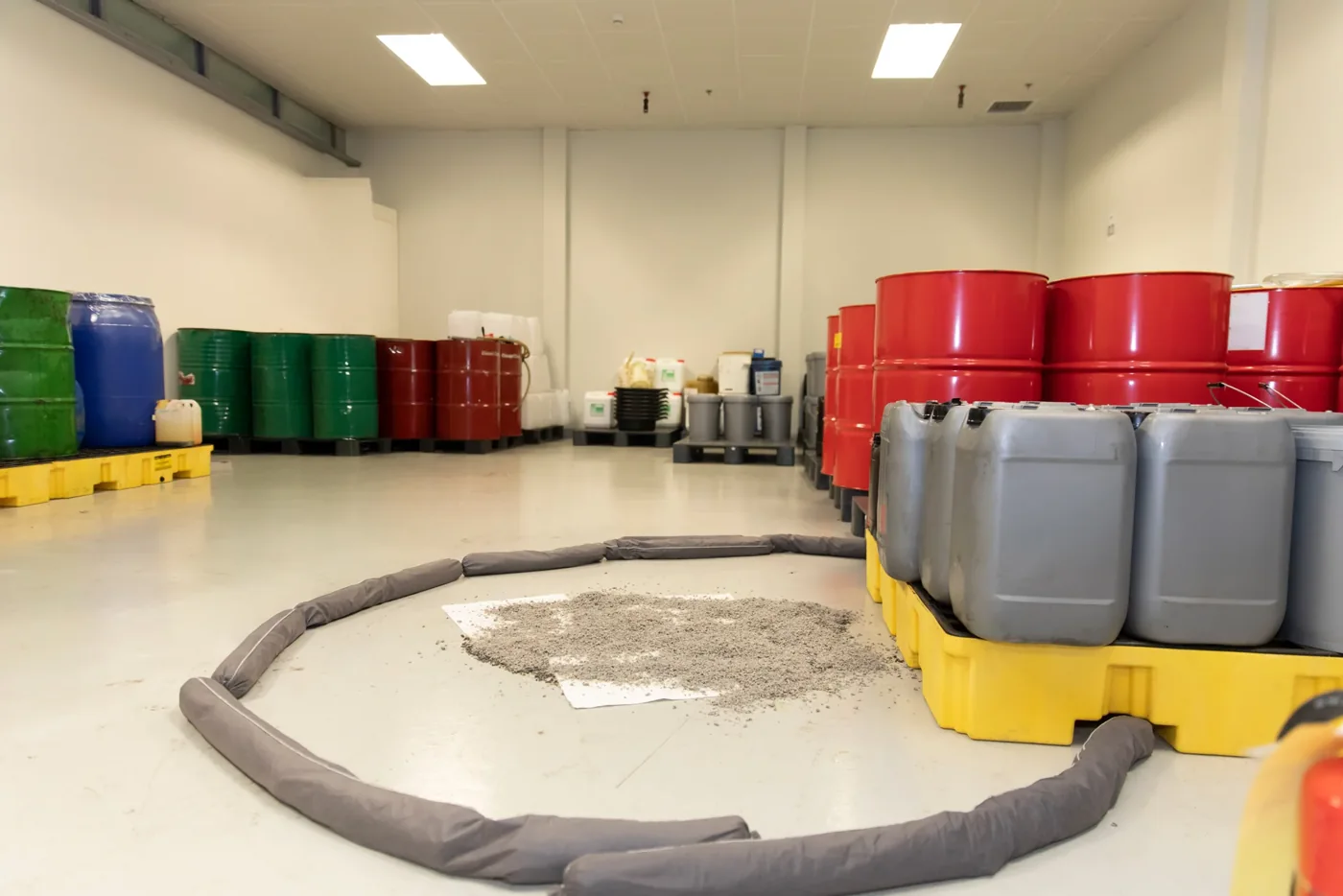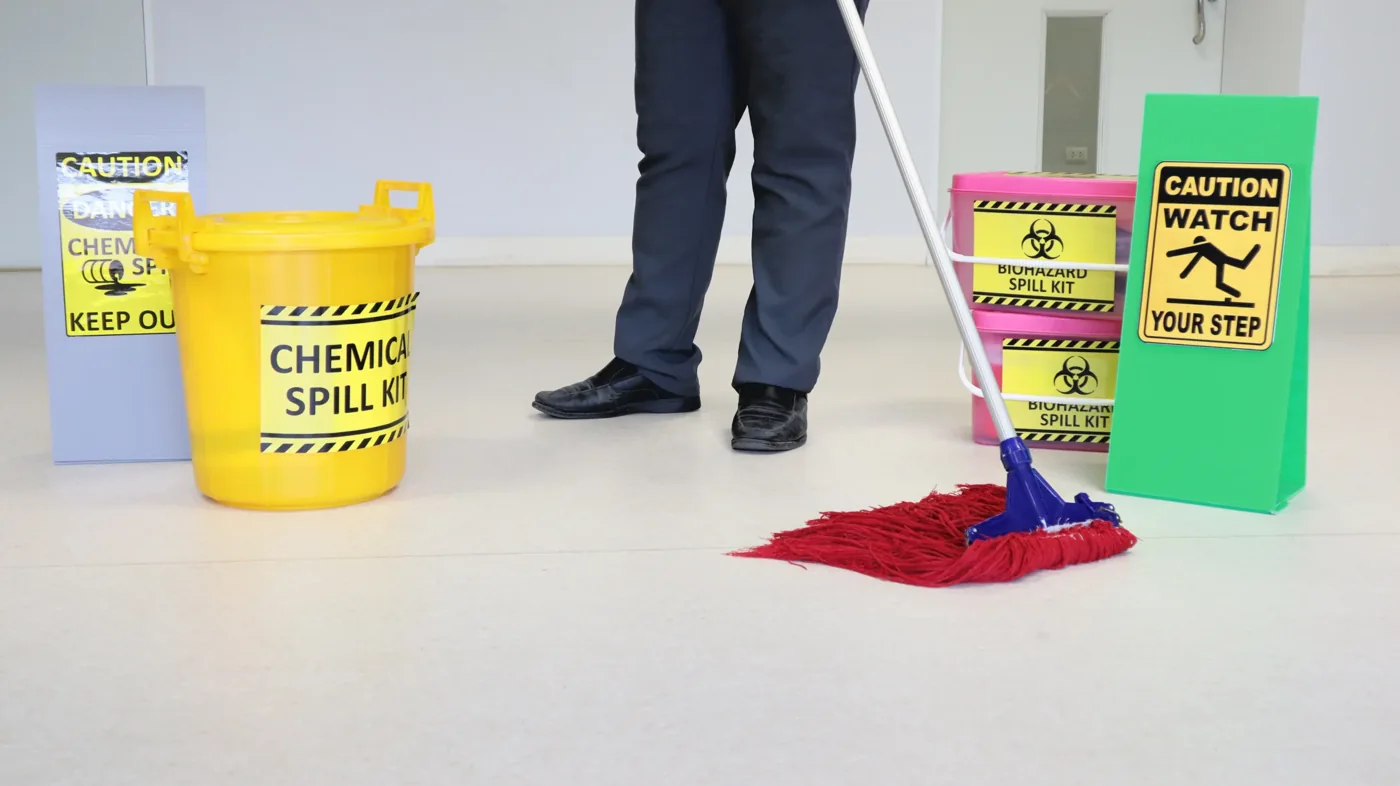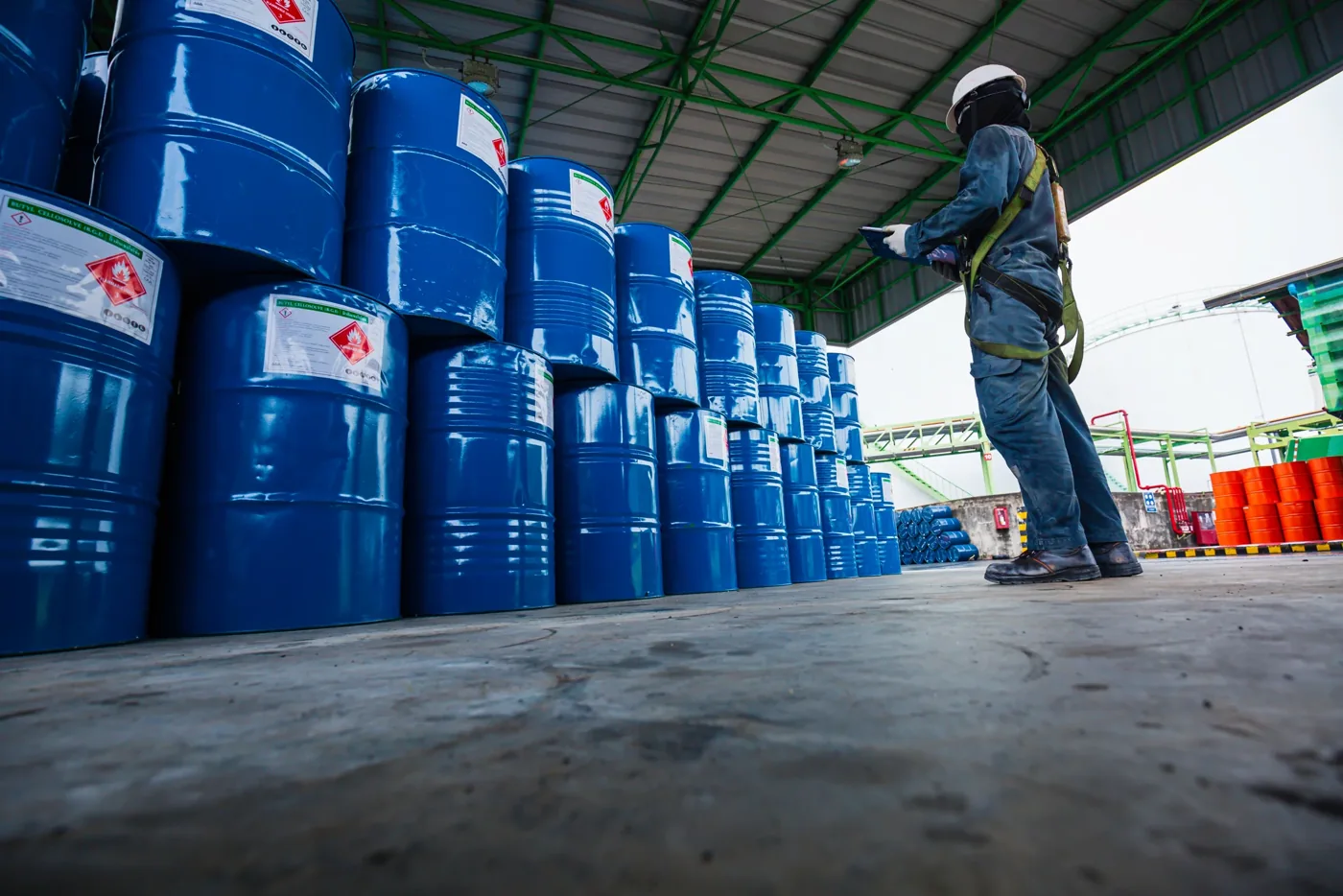
Unused chemicals remaining after a factory closes are not automatically waste. They become waste when the holder discards them, intends to discard them or is required to discard them. Whether the original chemical is unopened, valuable or still within its shelf life does not settle that question.
A closure may leave behind production chemicals, cleaning products, maintenance fluids, additives and laboratory reagents. Some might remain usable stock intended for genuine reuse, while others have no realistic purpose beyond recovery or disposal.
Each group needs to be considered according to its condition, intended destination and how it is being managed.
Decide what is still product stock
Start by separating materials that have an established future use from those the business is discarding.
An unopened drum with a reliable identity, suitable storage history and a confirmed lawful use elsewhere may remain product stock. That intended use must be credible and supported by how the material is actually managed; it does not settle waste status by itself. Conversely, an identical drum that is being discarded may be waste despite its unopened condition.
The Environment Agency’s guidance on deciding whether a material is waste considers factors including certainty of use, fitness for purpose, the holder’s intentions and whether management of the material indicates discard.
Simply labelling a container as surplus stock does not establish that it is outside waste controls. Equally, the fact that a manufacturing site is closing does not mean every remaining chemical has already been discarded.
A realistic stock decision needs evidence of an intended use, not an indefinite possibility that somebody might eventually want the material.
Storage history can change the decision
Chemical stock inventories often record product names and quantities but say little about how materials have been stored.
For closure planning, examine whether the available records establish:
- Identity: The manufacturer, product reference, concentration and any available batch information.
- Condition: Whether packaging is intact and the material remains within its intended specification.
- Storage history: Any known exposure to unsuitable temperatures, moisture, contamination or damaged closures.
- Usability: Whether the product still has a lawful and credible intended purpose.
- Ownership and destination: Who holds the material and what will actually happen to it after the factory closes.
An expired shelf-life date does not establish waste status by itself. It may, however, raise questions about continued suitability. Similarly, a drum’s apparent market value does not prevent it being waste if the holder has discarded it.
Where deterioration or an uncertain formulation affects whether a material can be used, that uncertainty should be resolved before treating it as transferable product stock.
Build the disposal inventory separately
Once the stock decisions are made, establish which materials form the actual disposal scope.
This might include redundant raw materials, rejected batches, spent cleaning liquids, production residues and contaminated containers. These do not necessarily share one waste classification simply because they originated from the same factory.
For waste in England, Environment Agency classification guidance requires the relevant waste code, composition and hazardous status to be established before collection, recovery or disposal.
Existing product documentation is useful for unused chemical waste. Manufacturing records and information about contamination become particularly important for process residues.
Keep separate inventory entries for materials whose identities are uncertain, containers that have deteriorated and waste produced during final cleaning or equipment decommissioning.
Plan removals around the closure sequence
Not everything needs to leave the premises at the same stage. Production residues might be ready for removal when machinery shuts down, while certain cleaning materials may still be needed during decommissioning.
Identify which chemicals remain in legitimate use and when they will cease to be required. This avoids confusing operational stock with material already designated for disposal.
For larger clearances, a location-based inventory showing storage rooms, production areas and external compounds helps distinguish different groups of material.
Businesses planning industrial chemical waste disposal can use this information to establish which streams are ready for assessment and removal.
The site’s industrial sector information also provides context for chemical waste arising across manufacturing premises.
The central decision is whether each remaining material is genuinely being retained for lawful use or has entered the waste stream. That determination should precede classification and removal planning.