Who is responsible for waste in a shared building?
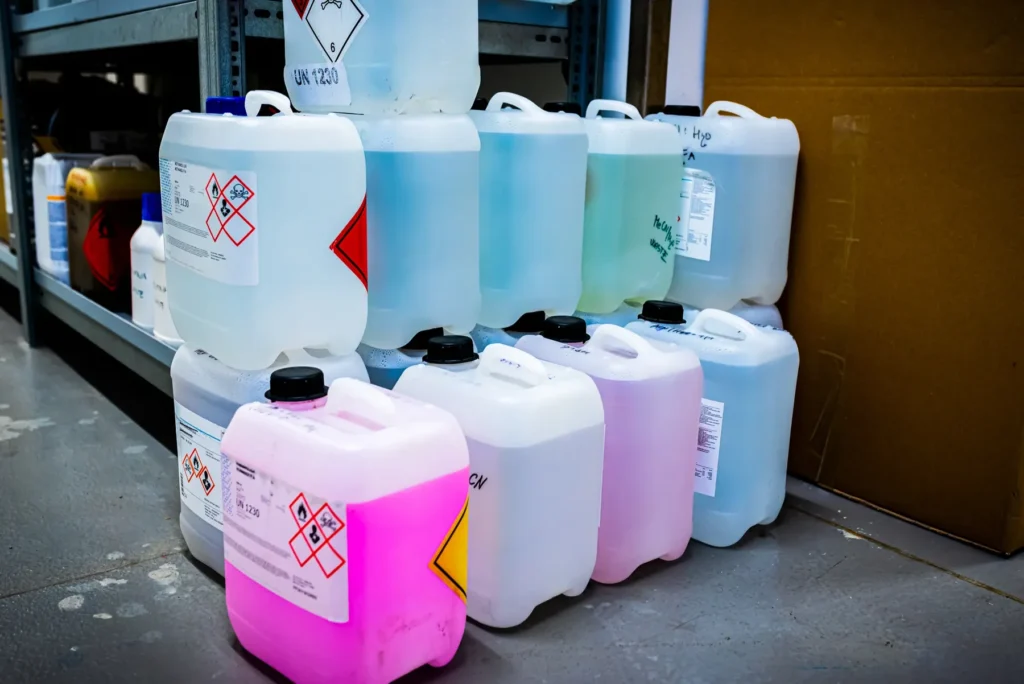
London business premises can involve several parties: offices above shops, multi-let laboratory buildings and estates run by a managing agent. The rules in England distinguish between the producer, whose activity created the waste, and the holder, who stores or possesses it. Both have responsibilities. When a former tenant has left chemicals in a basement store, or a fit-out contractor has left part-used products behind, the current holder needs to establish what waste is present and who is responsible for its removal. The relevant producer or holder completes parts A and B of the hazardous waste consignment note. The parties involved should also establish who will retain the required records.
Planning a collection around the building
In central London the building can affect the collection as much as the waste itself. Basement stores, goods lifts, loading bay booking, building management rules and loading restrictions on the street outside all affect how containers can be brought out and loaded. Floor level, corridors and stairs, lift dimensions and any booking requirements are useful details when discussing a collection. Narrow staircases, restricted service entrances and containers stored away from vehicle access may also need consideration.
Laboratory and small-container clearances
Universities, hospitals, research buildings and schools may have hazardous waste stored in numerous small containers rather than a few drums. Old reagents, part-used bottles and unlabelled samples need appropriate identification and classification. Chemicals that could react dangerously with one another must be kept apart during storage and packing. A list of product names, container sizes, quantities and available safety information helps establish what is present. Unidentified substances need further assessment rather than being treated as ordinary chemical waste. See laboratory waste disposal for more on packing and segregation.