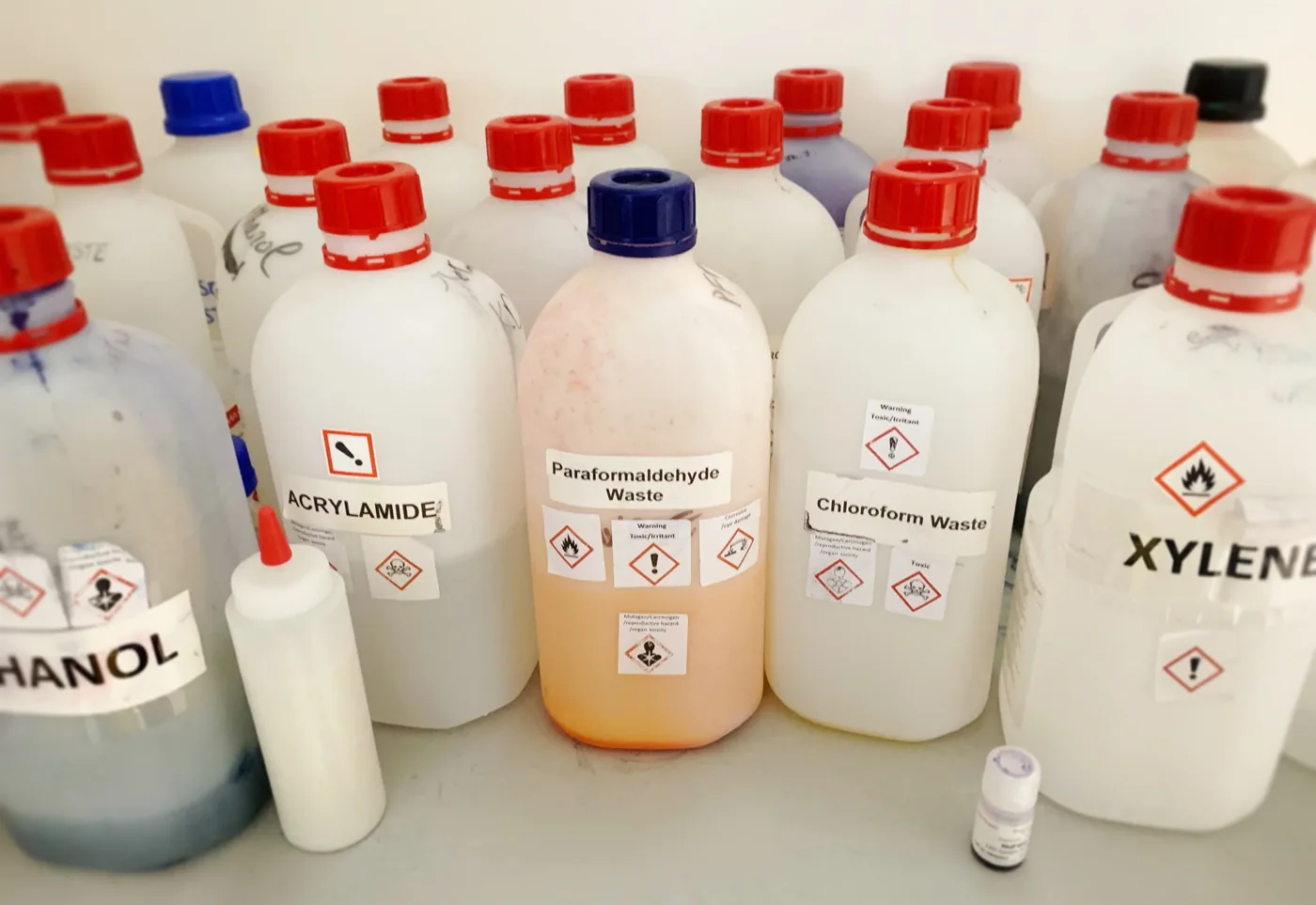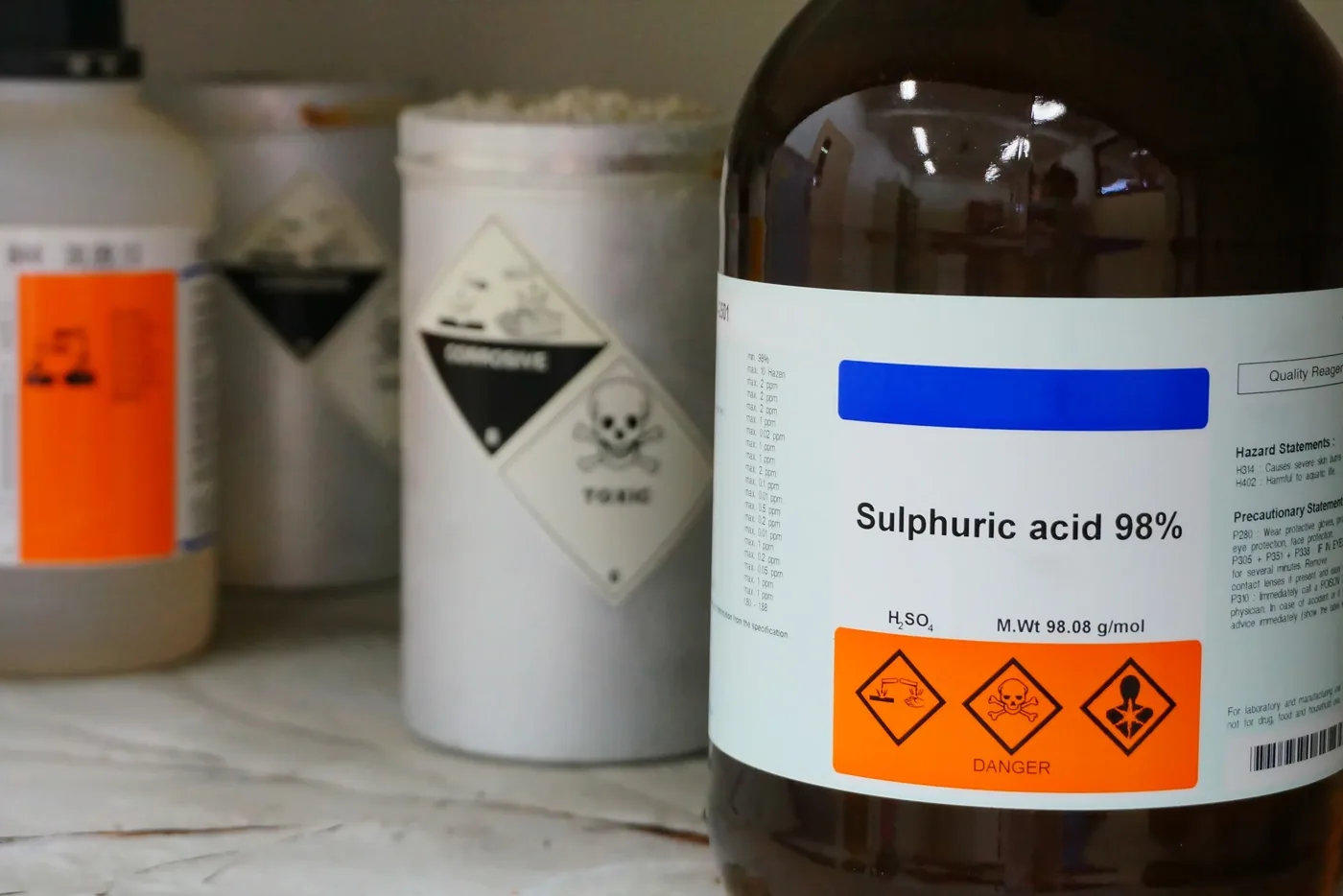
A safety data sheet describes the hazards and characteristics of a chemical product, but it does not automatically classify the waste produced when that chemical is used, contaminated or discarded. Waste classification must reflect the material actually being removed, including its composition, origin and hazardous properties.
This distinction matters when arranging disposal of spent chemicals, process liquids, contaminated mixtures and unwanted stock. An original product safety data sheet can provide important evidence, but its information may no longer describe everything inside the waste container.
What a safety data sheet actually describes
A safety data sheet, commonly abbreviated to SDS, is prepared to communicate information about a substance or mixture supplied for use. It identifies relevant hazards and provides information about handling, storage, exposure controls and emergency measures.
The Health and Safety Executive explains the role of safety data sheets in communicating chemical hazards and supporting workplace assessments.
For an unused product that remains unchanged in its original container, the manufacturer’s sheet may provide much of the chemical information needed for a waste assessment. However, the product’s classification for supply and its classification as waste are separate matters.
Waste classification also considers how the material arose and which waste description and code apply. The hazard statements on an SDS cannot simply be substituted for that assessment.
Why the contents of a waste container may be different
Consider a cleaning solvent originally purchased as a defined commercial formulation. After use, the waste solvent may contain dissolved oils, coatings, adhesives or residues removed from machinery.
The manufacturer’s SDS describes the original solvent, not necessarily the resulting mixture. Its hazard information remains relevant, but additional components may affect the waste assessment.
Other common situations include:
- Process contamination: Chemicals acquire metals, oils, reaction products or other substances during manufacturing or maintenance.
- Concentration changes: Evaporation, dilution or process operation changes the proportions of substances present.
- Mixed residues: Several substances enter an existing waste stream through normal production activity.
- Storage deterioration: Age, exposure or damaged packaging creates uncertainty about whether the original specification remains representative.
- Part-used products: A container may hold returned material or residues whose history differs from unopened stock.
Two containers bearing the same original product label may therefore require different waste descriptions if their subsequent use or contamination differs.
What evidence supports waste classification?
In England, the Environment Agency’s classification framework requires businesses to identify waste before collection, recovery or disposal. Assessment involves selecting the appropriate List of Waste code and establishing whether hazardous properties or other relevant controls apply.
The evidence available will depend on the waste stream. Useful information can include the original SDS, product specification, process records, formulation details, contamination history and existing analytical results.
Where composition cannot reliably be established from existing records, further technical assessment or suitable analysis may be necessary. Testing should address a defined information gap rather than assume that every waste requires the same laboratory tests.
A useful distinction is between what the original chemical was and what the waste contains now. Both may be needed to reach a defensible classification.
Prepare the information behind the waste description
Before arranging chemical waste collection, assemble an inventory showing each waste stream, its origin, approximate quantity and container type.
Record whether the material is unused, spent, mixed or potentially contaminated. Include available safety data sheets, but identify any known differences between the supplied product and the actual contents.
Packaging condition also matters. Note leaking containers, damaged closures, missing labels and any restrictions affecting access to the storage area. These observations help distinguish ordinary collection planning from cases requiring additional assessment.
For individual named substances, the site’s chemical disposal library provides further material-specific information.
The aim is not to produce a pile of product documents. It is to establish a clear, accurate account of the material requiring removal so that classification, handling and disposal decisions relate to the actual waste.