

Laboratories can hold many small containers with very different hazards. A cupboard clearance may include unused reagents, spent mixtures, old samples and bottles whose contents are uncertain. We identify each waste stream and keep material for disposal separate from stock that remains in use.
Laboratory Waste Disposal
Laboratory waste disposal for chemicals, reagents, residues and old stock held in laboratories and stores.
HomeLaboratory Waste DisposalLaboratory Waste Disposal enquiry
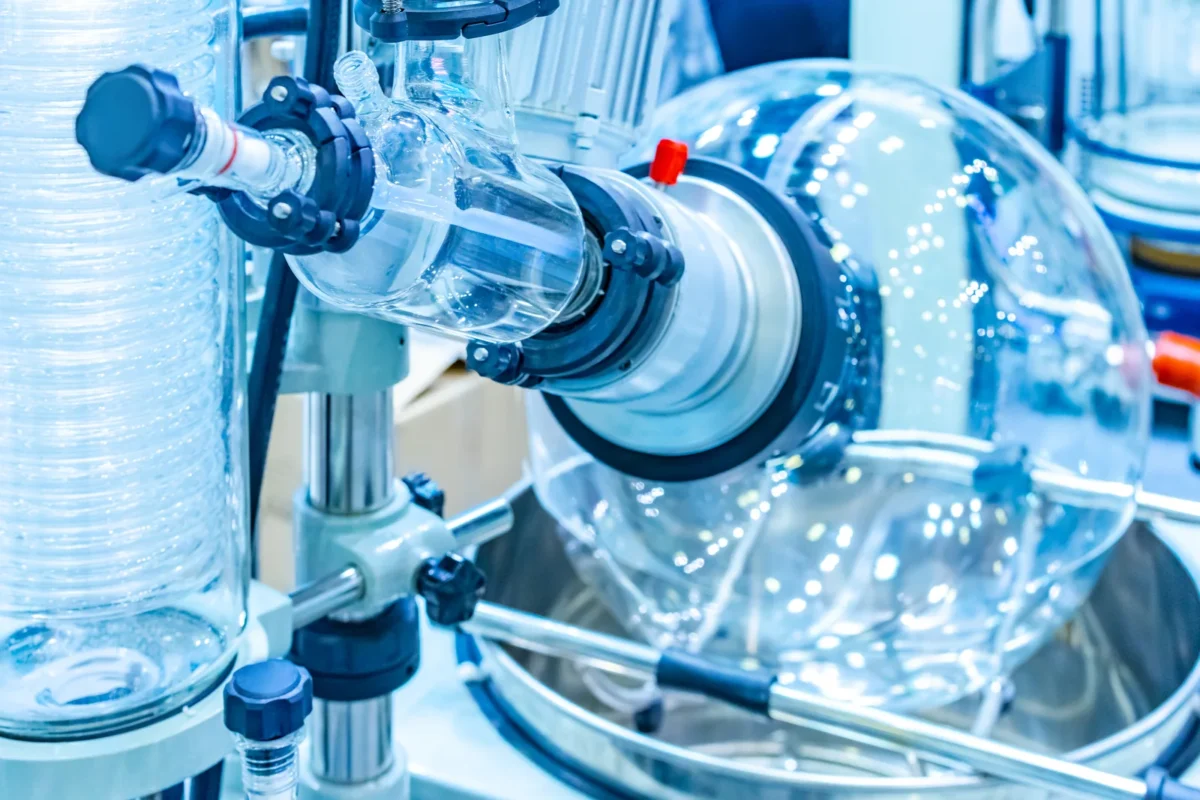
Unknown containers
Uncertain bottles need separate identification and should not be opened casually to inspect their contents.
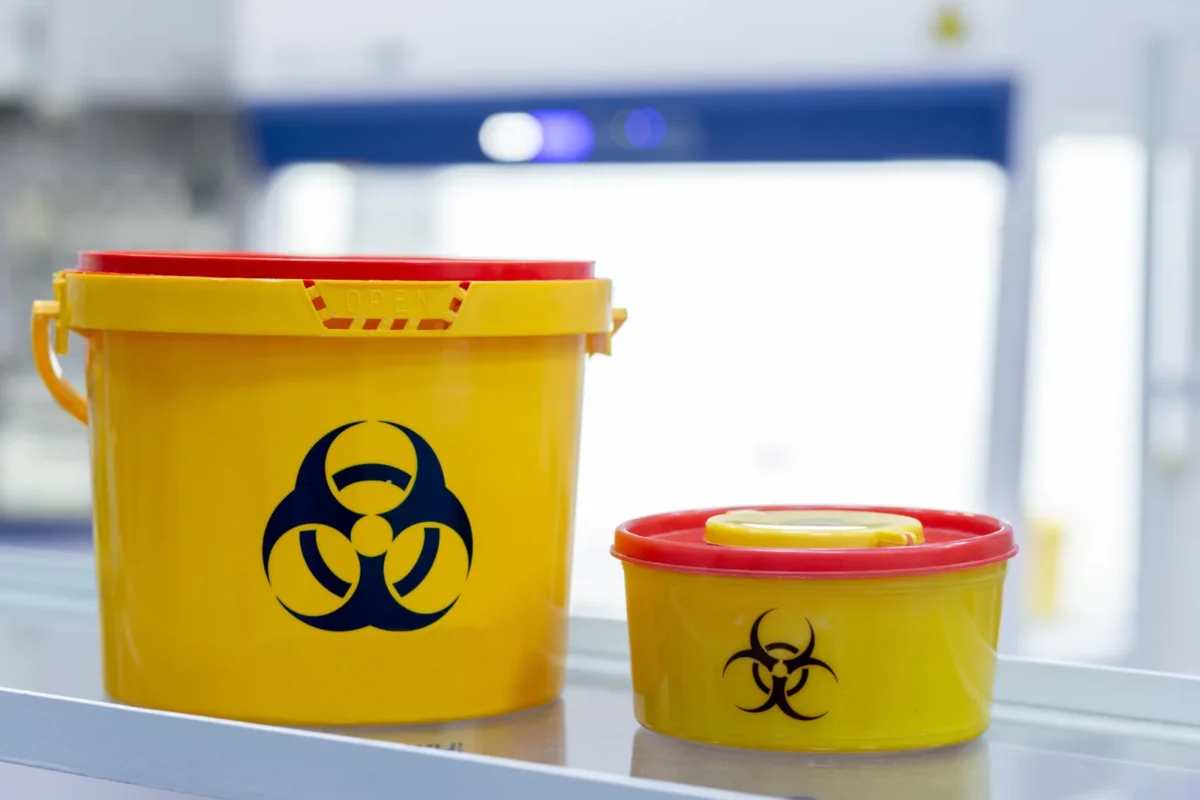
Different specialist wastes
Chemical, biological, sharps and radioactive wastes have distinct containment and disposal requirements.
Reagents, mixtures and unknown bottles
Original labels, concentration and process history are useful evidence, but bottles are sometimes reused for process waste and old labels can become unreliable. Unknown containers should remain separately identified and closed until suitable checks establish how they can be handled.
Contact us about laboratory waste disposal
Complete the form and we will get back to you.
Chemical and non-chemical specialist waste
Sharps, biological material and radioactive waste have their own requirements and remain separate from general chemical waste. Where several specialist streams are present, each needs to remain identifiable so the correct containment and disposal arrangements can be applied.
Larger laboratory clearances
For room, cupboard or building clearances, waste for removal should remain separate from material still in use and from containers awaiting further identification. This keeps the collection inventory accurate and avoids disturbing laboratory stock that is staying on site.
Laboratory Waste Disposal: common questions
Can unknown laboratory bottles be included?
Yes, once the contents have been appropriately assessed and the receiving arrangements confirmed. Until then, unknown containers should remain separate from identified waste.
Does a chemical collection include biological or radioactive waste?
Those streams have distinct requirements and are not automatically included in a laboratory chemical collection.
Should bottles be opened to check old contents?
Do not open uncertain containers just to inspect their smell or appearance. Keep them closed while a safe identification method is determined.
Can a small bottle still need special handling?
Yes. Hazard and compatibility depend on the contents, not the container's size.
Does an original label always describe reused bottles?
No. A bottle may contain a process mixture, so its current contents need establishing.