

Waste oil collection can be straightforward when the oil stream is consistent and properly stored. Problems arise when water, coolant, solvent, fuel or unknown liquids have entered the same container. We establish what the oil has come from and what contamination is present before confirming the receiving facility.
Waste Oil Collection
Waste oil collection for used lubricants and other identified oil streams held in drums, containers or storage tanks.
HomeWaste Oil CollectionWaste Oil Collection enquiry
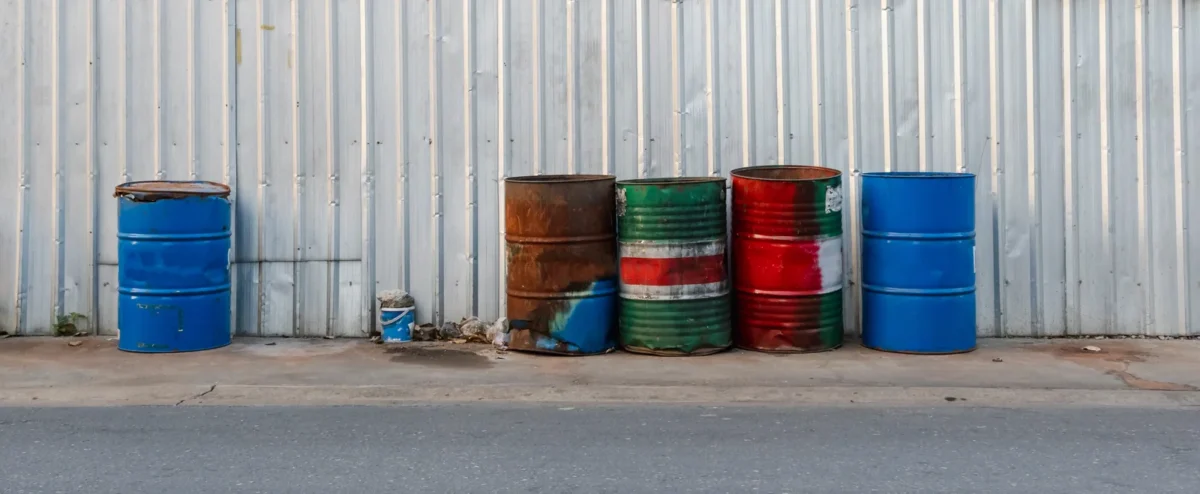
Oil contamination
Water, coolant, fuel or solvent can change the way used oil is handled and treated.
Bulk and packaged oil
Tank pump-outs and drum collections require different equipment and access.
Recovery and composition
The receiving process determines whether a particular oil stream can be recovered.
Contamination and recovery
Used oil may be suitable for recovery, but that depends on its composition and the process available at the receiving facility. Water, antifreeze and solvents can limit which recovery processes are suitable for the oil. Whether the oil can be recovered depends on the receiving process, not on whether it is collected by tanker.

Contact us about waste oil collection
Complete the form and we will get back to you.
Drums, tanks and settled residues
Packaged oil needs sound containers for loading, while a tank pump-out requires suitable connections and access. Tanks can also contain water or sludge beneath the oil. Sludge, separate water, contaminated packaging and any tank-cleaning waste need their own handling where they are present.
Changes between collections
A storage tank may receive several batches before it is emptied. If a different fluid has been added, the previous waste description may no longer be reliable. Keeping workshop liquids and oil-soaked materials separate makes it easier to identify what is being collected and prevents a known oil stream becoming an uncertain mixture.
Waste Oil Collection: common questions
Can waste oil and antifreeze go in the same tank?
Keep those fluids separately identified. Mixing can change hazards and restrict treatment or recovery.
Can oil be collected from a storage tank?
A pump-out can be arranged where the contents, connections and access support a suitable transfer method.
Will all collected oil be recycled?
Not necessarily. Recovery depends on the composition of the oil and the process available at the receiving facility.
What affects a waste oil collection?
The oil source, contamination, quantity and storage arrangement all affect the equipment and receiving requirements.
Does oil collection include oily rags?
Oily rags are a separate contaminated waste and should be identified separately from the liquid oil.
Can a tank contain water beneath the oil?
It may contain separate phases or sludge, which need consideration in the removal method and waste assessment.